
Importing medical devices, dietary supplements, and cosmetics with sensitive active ingredients requires far more than refrigerated transport: it demands properly identifying the product's thermal range, strategically selecting the transport route, controlling hidden customs storage costs, and ensuring thermal continuity to the final warehouse. In this article, we explore the critical points of the cold chain and how preventive management of tariff classification and import permits protects both product integrity and operational profitability.
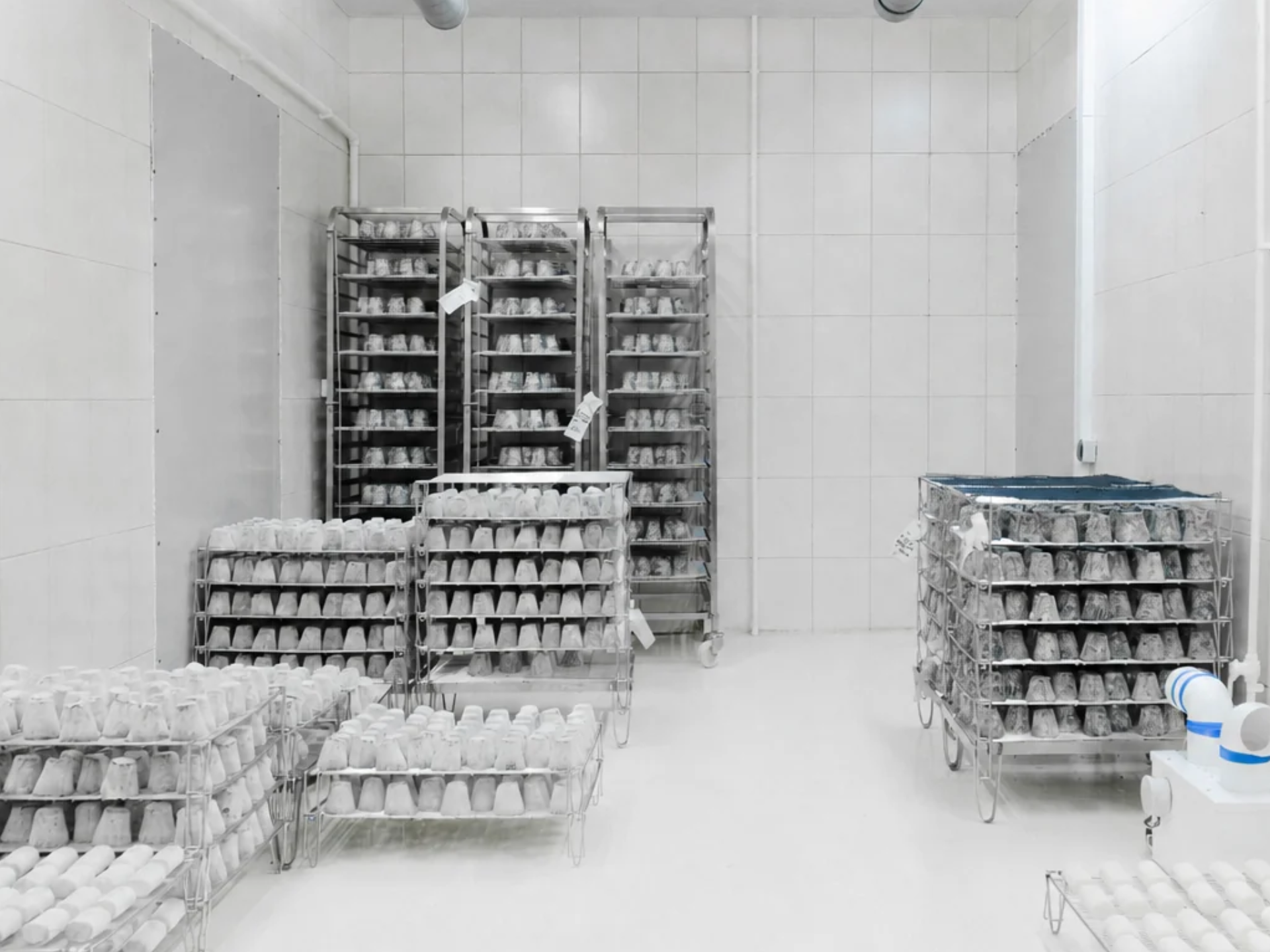
In the healthcare and wellness industry, time and temperature are critical variables that define the success or failure of a commercial operation. For manufacturers and distributors importing medical supplies, diagnostic reagents, supplements with live strains, or cosmetics with highly sensitive active ingredients, a slight temperature deviation can inactivate an entire formulation and turn a profitable investment into a total loss.
However, the greatest risk to the cold chain does not always occur during international transit, but rather at transition points: customs and final ground transportation. When a shipment is detained due to a documentation discrepancy, an inaccurate tariff classification, or a pending health permit, time runs not only against product stability, but also against the import budget.
Identify the thermal requirement from the label and technical data sheet
Before coordinating freight, the first step is to verify the temperature condition required by the manufacturer by reviewing the product label, Technical Data Sheet, or Certificate of Analysis (COA):
Controlled Room Temperature (15 °C to 25 °C): Identified by statements such as "Store in a cool, dry place" or the international thermometer pictogram (ISO 15223-1) with an upper limit (e.g., 25 °C or 30 °C). Although these cosmetics or supplements are not sold refrigerated, transporting them in conventional dry vans through hot ports or border crossings can exceed 45 °C and degrade the formula, requiring climate-controlled units or thermal insulation.
Refrigeration or Cold Chain (2 °C to 8 °C): Identified by the statement "Keep refrigerated" or the thermometer pictogram with upper and lower limits (2 °C and 8 °C), essential for diagnostic reagents and live probiotics.
The operational and financial impact at Customs
Having the best international transport is useless if the shipment remains detained for several days in bonded storage due to administrative errors. A customs hold in the cold chain generates a dual impact:
Risk of product loss: If the commercial invoice does not exactly match the prior import permit, or if the tariff classification triggers an unexpected customs inspection, the cargo may be exposed to extreme ambient temperatures if the facility lacks immediate cold storage availability.
Exponential customs surcharges: Maintaining refrigerated goods in bonded storage is significantly more expensive than dry cargo. Each day of delay accumulates high fees for specialized cold room storage, electrical connection services (plug-in), and temperature monitoring for reefer containers, in addition to shipping line or airline demurrage that can completely erode the batch's commercial margin.
The final leg: From customs to the distributor's warehouse
One of the most common errors is meticulously handling international freight while neglecting ground transport from customs (port or airport) to the distributor's warehouse. To prevent the cold chain from breaking during this final leg, it is essential to ensure:
Certified ground transport units: Trucks or vans with dedicated refrigerated boxes, pre-cooled to the required temperature before loading at the bonded facility.
Dispatch synchronization: Coordinating the arrival of the refrigerated unit precisely with customs release to avoid waiting at loading docks under the sun or sudden temperature changes during deconsolidation.
Receiving conditions and regulated storage: The receiving warehouse within national territory must comply with Good Storage and Distribution Practices, guaranteeing segregated areas, thermal mapping, relative humidity control, and backup power generators in case of electrical failures.
How to safeguard your operation before it leaves origin
The key to seamless, cost-effective temperature-controlled imports is anticipating regulatory and customs management before picking up cargo at origin:
Accurate tariff classification: Correctly determining the 10 digits of the tariff item allows you to know with certainty the applicable Non-Tariff Regulations and Restrictions (RRNA), such as COFEPRIS permits or Official Mexican Standards (NOM) for labeling, and avoid surprise blockages upon arrival.
Advance management of import permits: Processing and validating the validity and balance of the prior permit before coordinating air or sea freight ensures swift customs clearance, avoiding extra days of refrigerated storage fees.
Pre-shipment document audit: Verifying that the commercial invoice, packing list, certificate of analysis, and transport bill accurately reflect batch numbers, storage temperatures, and technical descriptions.
End-to-end door-to-door logistics coordination: Integrating the customs broker, international carrier, and refrigerated ground transport under a unified critical-time protocol.
Conclusion
Temperature-controlled logistics is an operation where technical precision, correct transport selection, and regulatory prevention directly protect your profitability. For importers of medical devices, supplements, and cosmetics, safeguarding the supply chain from proper label interpretation, tariff classification, and health permits through to final warehouse delivery is the most effective way to avoid customs surcharges and ensure product quality.
FAQ
-
You can verify it directly on the product label (looking for statements such as "Keep refrigerated" for 2 °C to 8 °C, "Cool, dry place" for 15 °C to 25 °C, or international thermometer pictograms with maximum and minimum limits), as well as in the Technical Data Sheet or Certificate of Analysis (COA) issued by the manufacturer.
-
Because in addition to standard demurrage or storage surcharges, bonded facilities charge daily specialized rates for cold room usage, continuous electrical power supply (plug-in), and thermal monitoring—costs that escalate quickly if customs clearance is delayed.
-
Even if the ground trip is short, transporting temperature-sensitive products in conventional transport can cause thermal excursions that void the manufacturer's quality specifications and jeopardize product efficacy before reaching your warehouse.
Written by:

Dulce Ángel
Logistics Analyst at Insumos para la Salud, S.A. de C.V., with experience in coordinating international operations and regulatory compliance for the chemical and healthcare supplies sector. She has training in process optimization methodologies under Lean Six Sigma (Green Belt level).
About IPS
Our team provides specialized consulting services in tariff classification, import permit management, and regulatory compliance to support your foreign trade operations.
To learn more about our services, contact us at info@insumosparasalud.com