

IPSNEWS

Avoid sanctions: the most common regulatory errors in dietary supplements.
The line separating a legitimate dietary supplement from a product that infringes current legislation is thin and often misinterpreted. Errors in ingredient selection, flaws in label design, or unauthorized health claims can lead to financial consequences. Understanding the evaluation criteria of the COFEPRIS starting from product development is essential to ensure operational continuity and legal certainty for the company.
RAUpdate Esquema gradual de obligatoriedad para la Manifestación de Valor Electrónica y ajustes al Anexo 22
La Primera Versión Anticipada de la Tercera Resolución de Modificaciones a las Reglas Generales de Comercio Exterior (RGCE) para 2026 extiende el esquema tradicional para la entrega de la Manifestación de Valor electrónica hasta el 31 de octubre de 2026.

How IPS transformed K-Beauty curiosity into measurable commercial impact in Mexico. Case Study
Bringing international beauty products into emerging markets requires much more than shipping samples across borders: it demands local market intelligence, seamless logistics management, and direct consumer validation. When KOSME sought to introduce eight innovative Korean cosmetic brands into Mexico, they needed a local partner capable of transforming cultural interest into sustainable commercial opportunities: IPS.

Sanitary Import Permit for Medical Devices without Sanitary Registration
The importation of medical devices without sanitary registration in Mexico is feasible, provided there is no commercial purpose, through sanitary permit COFEPRIS-01-015.
Launch of the Medical Device Sanitary Registration Viewer: A step towards information analysis and consultation.
On August 20, the Federal Commission for Protection against Sanitary Risks (COFEPRIS) made the Medical Device Sanitary Registration Viewer available to the public and the industry. This digital public inquiry tool enables the search, verification, and analysis of both current and historical sanitary authorizations issued in the country.

Nueva prórroga para la MVe y facilidades en el expediente digital
El Servicio de Administración Tributaria (SAT) dio a conocer en su portal la Tercera Versión Anticipada de la Segunda Resolución de Modificaciones a las Reglas Generales de Comercio Exterior (RGCE) para 2026. Esta publicación confirma la extensión del periodo de transición para la implementación de la Manifestación de Valor Electrónica (MVe) hasta el 30 de septiembre de 2026, fijando el inicio de su obligatoriedad a partir del 1 de octubre de 2026.

How to identify the Non-Tariff Regulations and Restrictions applicable to a merchandise?
Once the tariff classification of a merchandise is determined, the next step is to identify the Non-Tariff Regulations and Restrictions (RRNA) that could apply to its import or export.
The Map of Non-Tariff Regulations and Restrictions and Harmonized System, available at the National Foreign Trade Information Service (SNICE), is an official tool that allows identifying the regulatory agreements related to a tariff classification and guiding the consultation of the applicable regulations.
COFEPRIS optimizes the Advertising Notice for cosmetic products
As of July 15, 2026, the Federal Commission for the Protection against Sanitary Risk (Cofepris) and the Digital Transformation and Telecommunications Agency (ATDT) enabled an improvement in the DIGIPRIS platform that allows companies in the cosmetic sector to select multiple distribution channels in a single Advertising Notice for Cosmetic Products per brand.

Regulatory Guide: Cosmetic labeling requirements in Mexico
Cosmetic labeling is one of the key elements for demonstrating regulatory compliance while providing consumers with clear and accurate product information.
NOM-141-SSA1/SCFI-2012 establishes the sanitary and commercial labeling requirements applicable to prepackaged cosmetic products marketed in Mexico.
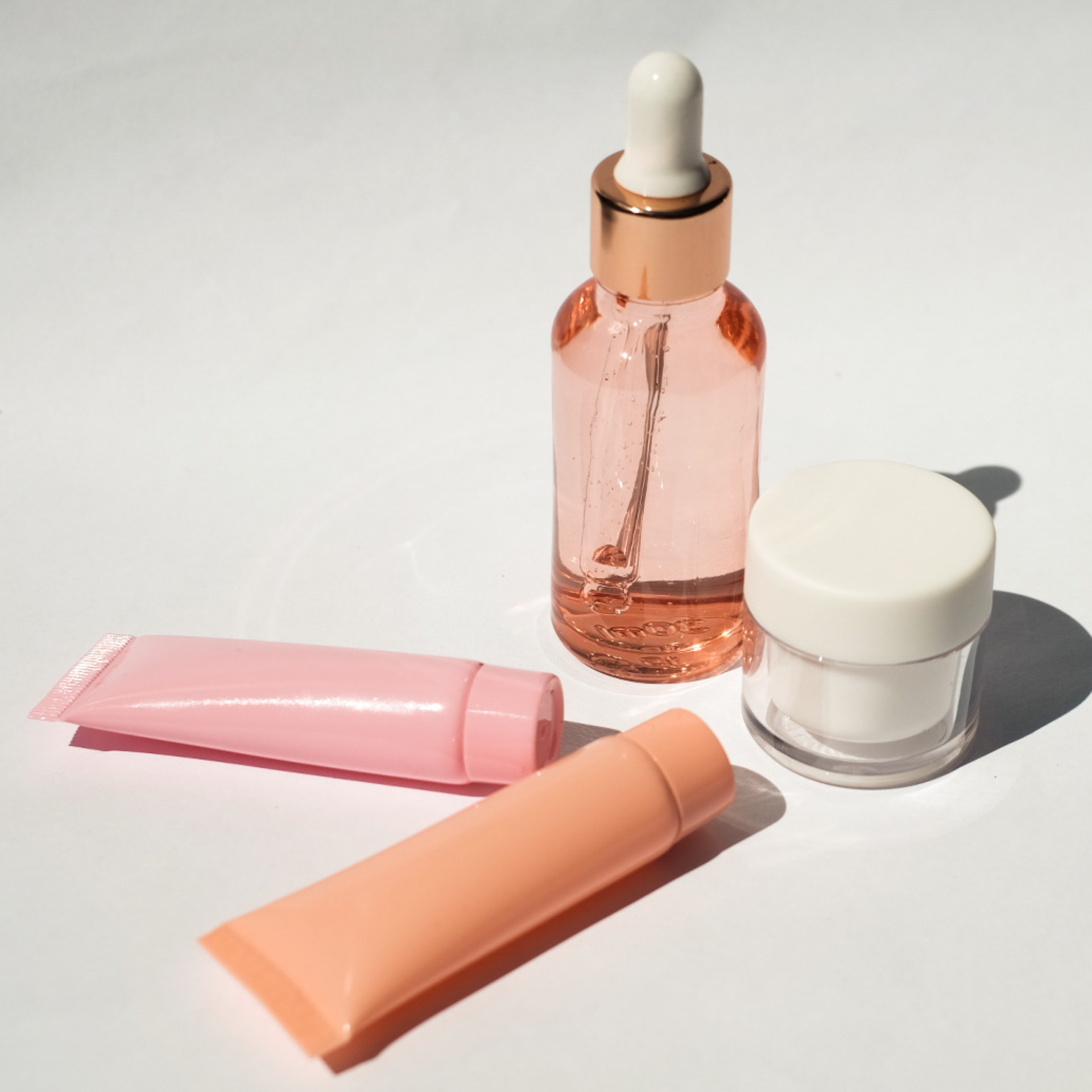
How to classify a cosmetic product in Mexico: a regulatory case study
One of the most common mistakes when introducing a cosmetic product into the Mexican market is assuming that its regulatory classification depends solely on its formulation.
In this article, we analyze a case study that reflects a common situation faced by international manufacturers seeking to introduce cosmetic products into the Mexican market.