
Incoterms 2020: A key tool to reduce risks in international trade
Incoterms 2020 are rules used in international trade to define how goods are delivered and what responsibilities each part assumes. This article explains their importance, how they are classified, and what should be considered when selecting them, with the aim of preventing errors, unexpected costs, and operational issues in product importation.
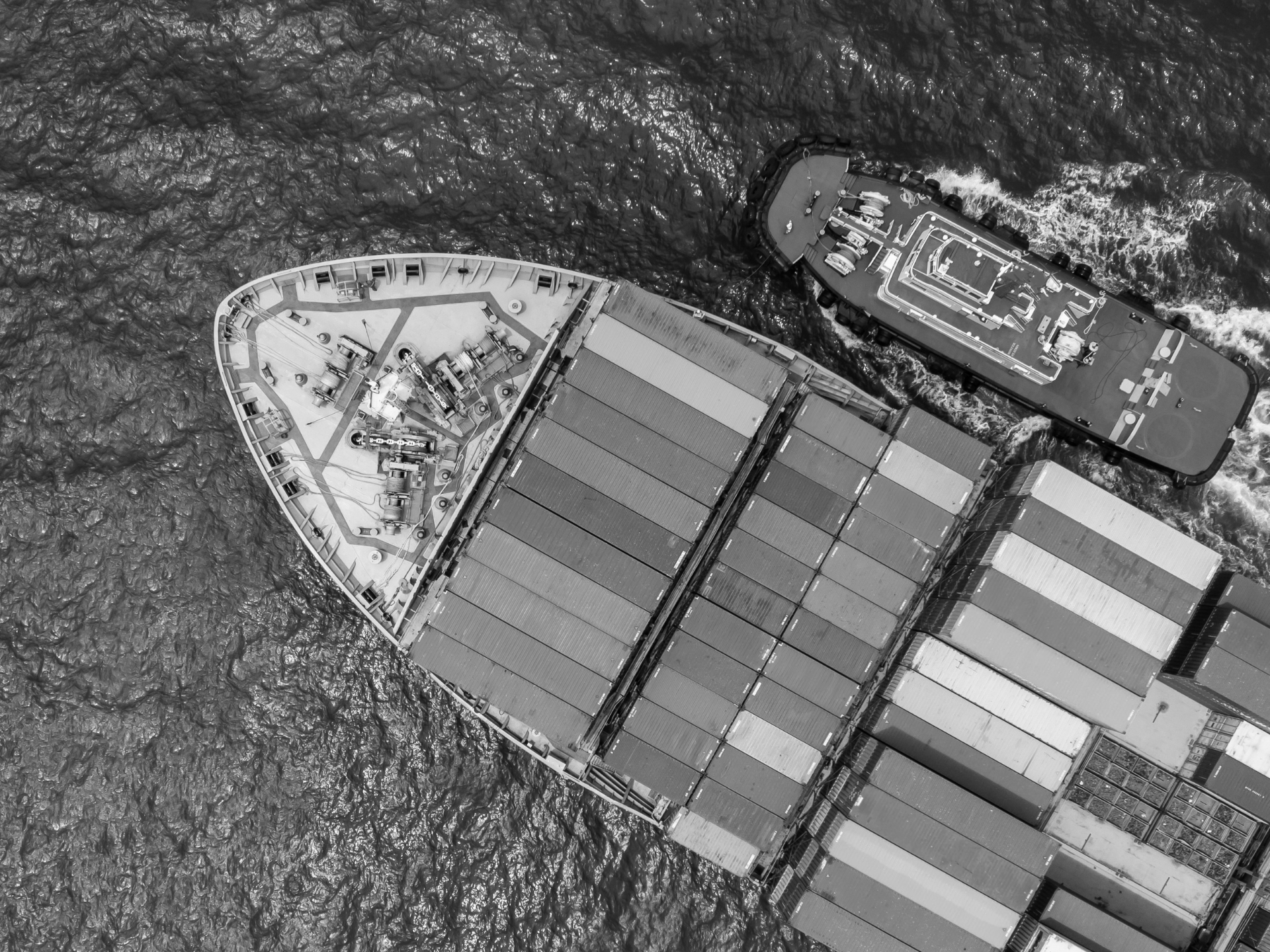
In international trade, small details can generate significant impacts. An incorrect definition of delivery terms can lead to delays, additional costs, or even disputes between the parties involved.
International Commercial Terms (Incoterms) 2020 allow for the establishment of clear rules from the beginning of an operation, which is essential for importers, manufacturers, and logistics professionals seeking greater control and predictability in their shipments.
Incoterms 2020 are a set of standardized rules used in international trade to define how goods are delivered and what responsibilities each party assumes within an operation.
Currently, there are 11 Incoterms defined by the International Chamber of Commerce, although in practice some are used more frequently than others depending on the type of operation.
Their use helps prevent misunderstandings between buyers and sellers, as they clearly establish who is responsible for costs, obligations, and key activities at each stage of the shipment.
In practice, Incoterms define three key elements:
Point of delivery and transfer of risk: At what moment and location are the goods considered delivered, and when does responsibility transfer to the buyer? This determines who bears the risk of loss or damage during transit.
Costs: Who assumes the costs of the shipment, such as transportation, insurance, and logistics procedures? This helps prevent unforeseen expenses within the operation.
Documentation: Who is responsible for handling shipping documentation, such as invoices, transport documents, and, in some cases, certificates depending on the operation? This ensures that the goods can be properly transported and cleared.
Strategic classification of Incoterms
For efficient management, Incoterms are categorized based on the mode of transport and the level of responsibility assumed.
Incoterms 2020 classification multimodal (any mode of transport)
EXW (Ex Works): The buyer assumes nearly the entire operation from origin.
FCA (Free Carrier): The seller delivers the goods to the carrier designated by the buyer.
CPT / CIP: The seller pays for the main carriage, but the risk transfers once the goods are handed over to the first carrier.
DAP / DPU / DDP: The seller maintains greater responsibility up to the destination.
Maritime (for sea transport only)
FOB (Free On Board): Risk transfers once the goods are on board the vessel.
CIF (Cost, Insurance and Freight): The seller covers transportation and insurance up to the port of destination.
The proper use of Incoterms allows companies to:
Avoid misunderstandings between buyer and seller
Gain greater control over logistics costs
Facilitate coordination among all parties involved
Reduce risks during the transportation of goods
In practice, correctly defining the Incoterm from the beginning of the negotiation helps ensure that each party clearly understands its role within the operation, resulting in more efficient and predictable processes.
This is particularly relevant in operations involving multiple stakeholders or when handling products that require specific transport conditions, as a clear definition can prevent complications throughout the supply chain.
Conclusion
Incoterms 2020 are a key tool for providing clarity and structure to international trade operations, enabling the precise definition of responsibilities, costs, and delivery conditions.
To use them effectively, it is recommended to:
Define the Incoterm during the negotiation stage
Align its use with the logistics strategy of the operation
Review the distribution of costs and responsibilities before finalizing agreements
Ensure that documentary obligations are clearly established between the parties
A proper selection of the Incoterm not only facilitates operations but also helps reduce risks and improve predictability across the entire supply chain.
FAQ
-
The Incoterm should be established during the initial stage of commercial negotiation, as it directly impacts cost structure, responsibility allocation, and logistics planning.
-
It is advisable to analyze the desired level of logistics control, the available operational capacity, and the risks each party is willing to assume within the operation.
-
It may result in the assignment of unforeseen costs or responsibilities, particularly in areas such as transportation, insurance, or origin-related procedures.
-
Yes, the Incoterm determines who is responsible for making operational decisions, managing incidents, and assuming additional costs in case of delays, damages, or contingencies during transit.
-
No. Incoterms do not replace a contract, as they only regulate logistics aspects such as delivery, cost distribution, and risk transfer.
Therefore, they must be complemented by a sales contract that includes other key elements such as payment terms, guarantees, penalties, and dispute resolution mechanisms.
Written by:

Dulce Ángel
Logistics Analyst at Insumos para la Salud, S.A. de C.V., with experience in coordinating international operations and regulatory compliance for the chemical and healthcare supplies sector. She has training in process optimization methodologies under Lean Six Sigma (Green Belt level).
About IPS
If your company is planning to import medical devices into Mexico, IPS can support you with tailored regulatory and logistical guidance. Our team of experts in health regulation, customs procedures, and logistics is ready to help you ensure a smooth and compliant import process.
Contact us at info@insumosparasalud.com to learn more about our specialized import support services.