
Key aspects of Non-Tariff Regulations and Restrictions for importing into Mexico
Non-tariff Regulations and Restrictions (RRNA by its Spanish acronym) are mandatory requirements that regulate the entry and exit of merchandise in Mexico, beyond the payment of taxes. This article explains what they are, how they are applied to the importation of regulated products, and what companies must consider to comply with current regulations, avoid delays, and ensure the correct commercialization of their products.
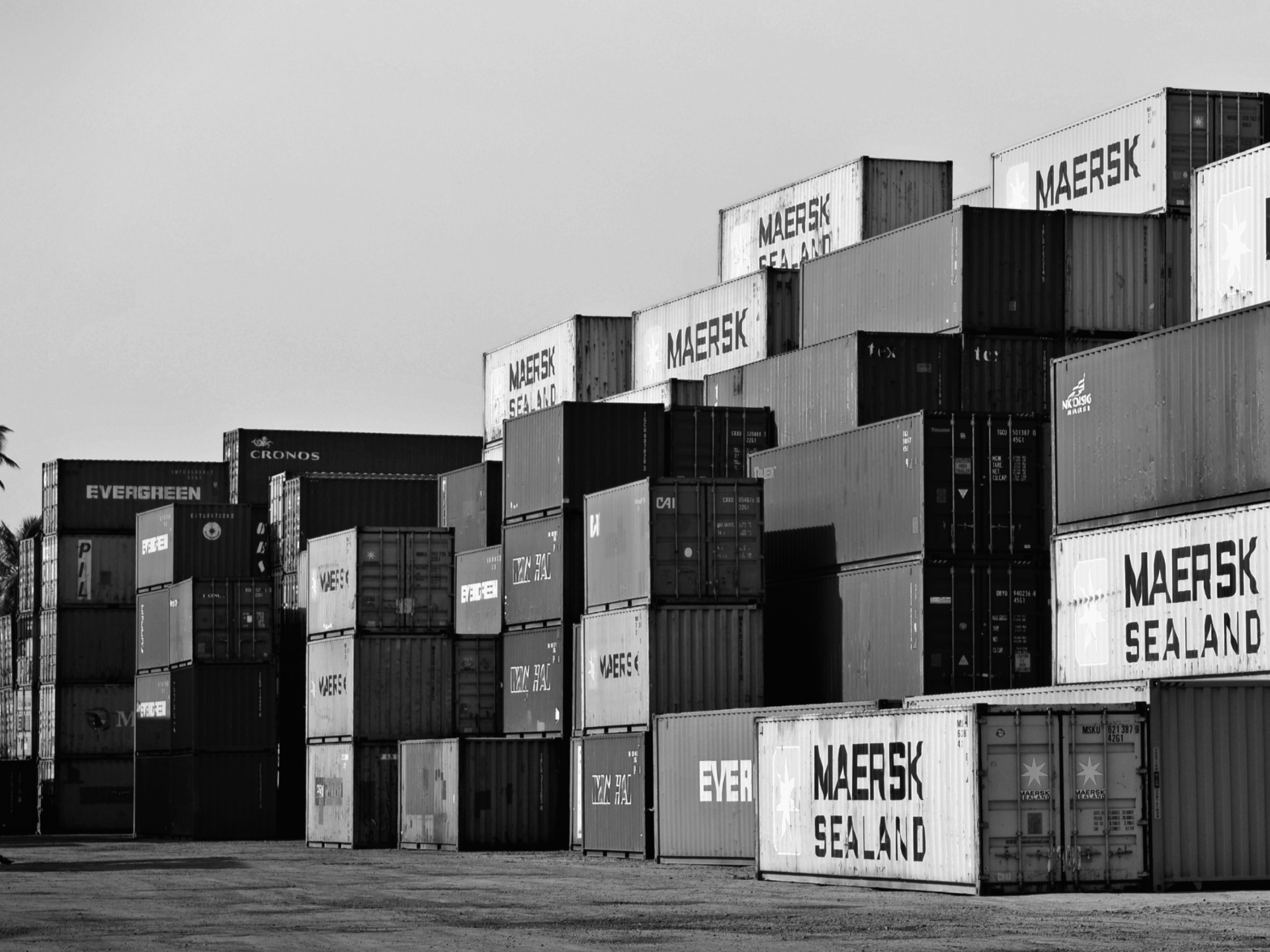
In international trade, compliance with non-tariff regulations is just as important as the payment of import taxes.
In Mexico, the importation of regulated products requires satisfying strict sanitary, technical, and administrative requirements, in addition to covering the corresponding taxes. This is especially true in sectors like medical devices, cosmetics, and supplements, given their direct impact on public health. The correct management of these regulations is fundamental to avoid customs delays, additional costs, and disruptions in the logistics chain.
RRNAs, are a set of measures whose main objective is to regulate the entry and exit of goods from the national territory without being related to the payment of tariffs. Unlike tariffs, RRNAs do not imply the payment of contributions, but rather the fulfillment of specific requirements of a sanitary, technical, ecological, or safety nature.
The fundamental purpose of RRNAs is to safeguard public interest and national assets. Its primary goals are:
Health Protection: Prevents the importation of harmful products through sanitary standards and permits from agencies such as the Federal Commission for Protection against Health Risks (COFEPRIS) or the National Service for Agri-food Health, Safety and Quality (SENASICA).
National Security: Controls the flow of goods that compromise citizen security, such as chemical precursors or explosives.
Environmental Protection: Ensures that products comply with ecological and sustainability standards (permits from the Ministry of Environment and Natural Resources (SEMARNAT)).
Economic Protection: Prevents unfair practices and ensures that imported products comply with quality standards to protect producers and consumers.
Consumer Quality and Information: Requires compliance with Official Mexican Standards (NOM) related to labeling and packaging.
Importance of Tariff Classification
Correct tariff classification is a fundamental element in any foreign trade operation, as it allows identifying the regulations, permits, and contributions applicable to each merchandise. In Mexico, this classification is regulated by the Law of General Import and Export Taxes (LIGIE), which contains the Tariff of the Law of General Import and Export Taxes (TIGIE), used to identify goods using 10-digit tariff codes.
Correctly determining the tariff fraction allows identifying the applicable Non-Tariff Regulations and Restrictions (RRNAs), as well as the specific requirements that must be met for the import or export of products.
If you want to know more about tariff classification, you can consult our article: Tariff Classification as a Compliance Tool.
Applicable authorities and Agreements in regulatory matters
RRNAs are issued by different authorities in Mexico, depending on the type of product and the sector to which the merchandise belongs. In the case of products regulated by COFEPRIS, such as medical devices, medicines, food supplements, and cosmetics, one of the main consultation agreements is the following:
"Agreement establishing the goods whose import and export is subject to regulation by the Ministry of Health."
Some examples of regulations and restrictions contemplated in this agreement are:
Sanitary registrations
Prior sanitary import permits for products, medicines, medical devices, and raw materials
Import notices
There are also agreements issued by other agencies and intersecretarial commissions applicable to goods with specific sanitary, chemical, or environmental controls.
Likewise, it is important to consider that agreements and provisions regarding foreign trade and sanitary regulation may be constantly updated through publications in the Official Gazette of the Federation (DOF). These modifications may include changes in tariff fractions, regulatory requirements, application criteria, or goods subject to regulation, so staying updated is essential to ensure regulatory compliance and avoid setbacks in import operations.
Conclusion
Non-Tariff Regulations and Restrictions represent a fundamental aspect of importing regulated products in Mexico. Correct identification and management of these requirements prevent delays at customs, minimize operational risks, and ensure regulatory compliance throughout the entire logistics operation.
Implementing a preventative strategy in regulatory matters can make the difference between an efficient import and additional costs derived from non-compliance or delays. Likewise, due to the complexity of the provisions and their constant updates, having specialized support in foreign trade and health regulation facilitates the correct validation of the tariff classification and the applicable requirements, contributing to more efficient customs clearance management.
Recommended actions:
Correctly define the product's tariff classification
Validate regulatory requirements from the planning stage
Verify documentary and sanitary compliance prior to shipment
Maintain coordination with customs brokers and specialized consultants
Monitor updates and changes in applicable regulations
FAQ
-
Depending on the case, there can be:
Merchandise retention
Additional storage costs
Fines
Delays in commercialization
Return of merchandise to the country of origin
-
The review of the tariff classification and the applicable regulations must be carried out from the import planning stage. Some permits and authorizations require processing times with the authorities, so starting these procedures late can cause delays and retention of merchandise at customs.
-
A tariff corresponds to the payment of a tax applicable to the import or export of merchandise. In contrast, a Non-Tariff Regulation or Restriction (NTRO) implies compliance with specific requirements of a sanitary, technical, ecological, or security nature.
Written by:

Dulce Ángel
Logistics Analyst at Insumos para la Salud, S.A. de C.V., with experience in coordinating international operations and regulatory compliance for the chemical and healthcare supplies sector. She has training in process optimization methodologies under Lean Six Sigma (Green Belt level).
About IPS
If your company is planning to import medical devices into Mexico, IPS can support you with tailored regulatory and logistical guidance. Our team of experts in health regulation, customs procedures, and logistics is ready to help you ensure a smooth and compliant import process.
Contact us at info@insumosparasalud.com to learn more about our specialized import support services.