

IPSNEWS
Dietary Supplement classification: Scope of the new COFEPRIS Guide
COFEPRIS has published the "Non-Regulatory Guide for the Classification of Products as Dietary Supplements." This technical document compiles the requirements of national legislation through a self-assessment format and a decision-making diagram to determine whether a product belongs in this category.
RAUpdate: Prohibition of Erythrosine (Red 3 FD&C) in the Mexican Food Industry
The Mexican Ministry of Health (Secretaría de Salud) has issued an Agreement to eliminate the use of the coloring agent Erythrosine and its lakes (Red 3 FD&C) in food, beverages, and dietary supplements. This measure responds to a risk analysis that determined that the population's exposure exceeds internationally established safety limits.

Dietary Supplement labeling: COFEPRIS compliance guide
This article details the technical and legal requirements that must be met by labels for dietary supplements marketed in Mexico. Its objective is to provide manufacturers, importers, and distributors with a clear roadmap to ensure their products present truthful information, avoiding omissions that compromise transparency toward the consumer. The correct implementation of these elements ensures that the product remains within the current sanitary legal framework before COFEPRIS.
RAUpdate Administrative modernization of COFEPRIS: Streamlining procedures
The administrative reform published on May 4, 2026, is focused on the digitalization and operational efficiency of The Federal Commission for Protection against Sanitary Risks (COFEPRIS). The analysis covers the elimination of physical requirements, the consolidation of procedure codes (homoclaves) regarding advertising, and the acceleration of medical device procedures.

Storage and distribution of dietary supplements under NOM-251-SSA1-2009
In the dietary supplement industry, storage is not merely the safeguarding of merchandise; it is a vital link in the value chain that guarantees the safety and efficacy of the final product. For distribution companies in Mexico, compliance with NOM-251-SSA1-2009 is both a legal and ethical obligation.

Ingredient regulatory framework for dietary supplements in Mexico: A compliance guide
This article details the legal and sanitary framework governing permitted and prohibited ingredients in the formulation of dietary supplements in Mexico. It addresses questions regarding the technical viability of formulas, limits on additives, vitamins, minerals, and botanical extracts to avoid sanctions, customs seizures, or product redesigns.
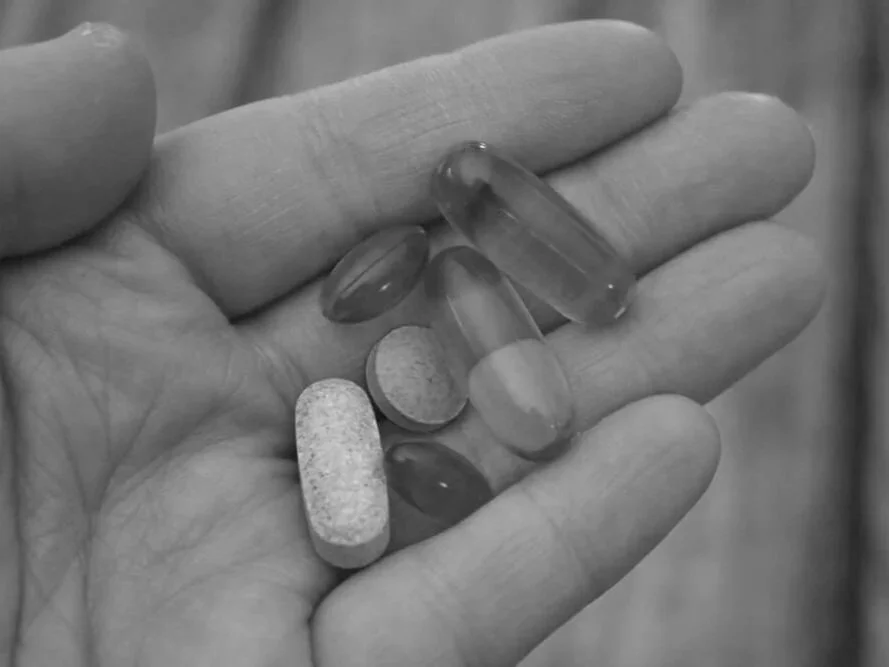
How to classify a product as a dietary supplement? (Case study)
The correct classification of a dietary supplement in Mexico is a step that can determine a product's commercial viability. Beyond the formulation, factors such as the method of consumption and intended use play a role, both of which are evaluated under the sanitary framework applied by the competent authority.
Reform of the General Health Law 2026: Modernization and strategic challenges for the Mexican health sector
The reform to the General Health Law published in the Official Gazette of the Federation (DOF) on January 15, 2026, marks a milestone in Mexican sanitary regulation. This update not only formalizes Digital Health and Telehealth but also strengthens post-market surveillance mechanisms and restructures the validity period of Sanitary Registrations.

Industry Trends 2026
Dive into the medical device, cosmetic, and dietary supplement industry trends. We offer a look at what to expect during 2026.

Dietary Supplements, Herbal Remedies, and Medicines: Key differences in their regulation.
In the Mexican regulatory landscape, the classification of products intended for health or well-being is fundamental. In the market, we can find options such as dietary supplements, herbal remedies, and medicines, all of which possess specific characteristics, a defined purpose of use, and, most importantly, a clearly differentiated regulatory framework.