
Avoid sanctions: the most common regulatory errors in dietary supplements.
This article details the most common regulatory errors made when importing, formulating, and marketing dietary supplements in Mexico. It provides manufacturers, importers, and marketing teams with a clear technical guide to avoid misclassifying their products, thereby preventing administrative sanctions, goods seizure, and the suspension of advertising campaigns in media outlets.
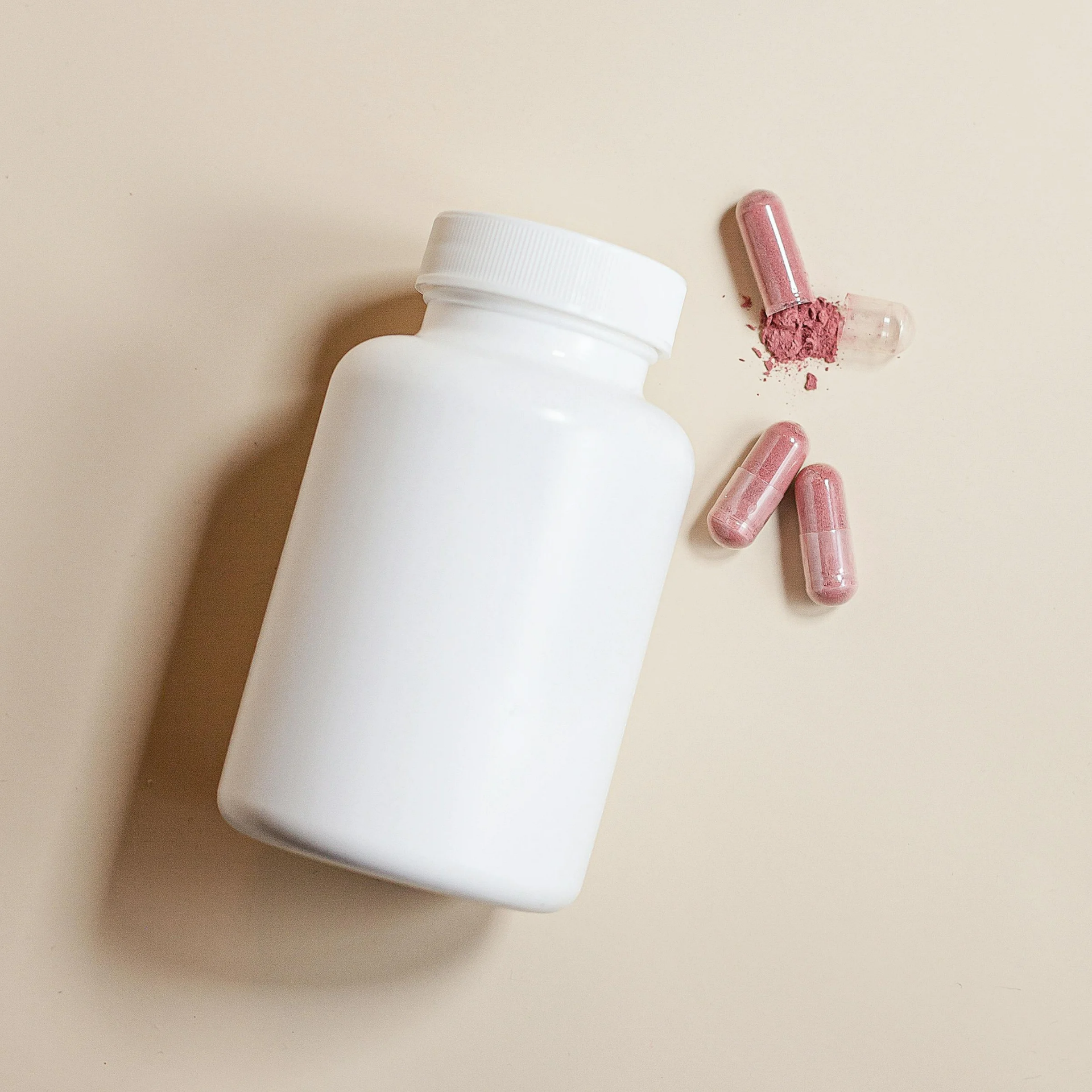
Marketing dietary supplements in Mexico represents a constantly growing market, but also one of the sectors subject to the highest level of surveillance by the health authority. The line separating a legitimate dietary supplement from a product that infringes current legislation is thin and often misinterpreted. Errors in ingredient selection, flaws in label design, or unauthorized health claims can lead to financial consequences. Understanding the evaluation criteria of the Federal Commission for Protection Against Sanitary Risks (COFEPRIS) starting from product development is essential to ensure operational continuity and legal certainty for the company.
Legal definition of dietary supplements
To avoid regulatory inconsistencies, it is essential to start from the definition established in Article 215, Section V, of the General Health Law (LGS). A dietary supplement is defined as a product based on herbs, plant extracts, traditional foods, dehydrated foods, or fruit concentrates, with or without added vitamins or minerals, whose sole purpose is to increase, complement, or replace dietary intake.
From a legal perspective, dietary supplements belong to the general category of foods. Therefore, under no circumstances are they considered medicines, nor can they hold therapeutic, preventive, stimulating, or rehabilitative properties. The addition of active pharmaceutical ingredients or promises to modify physiological processes in the body immediately changes their legal nature, classifying them as medicines, herbal remedies, or deceptive products.
Regulatory errors in formulation and composition
1. Inclusion of botanical ingredients and prohibited substances
A recurring error in supplement formulation lies in including plants, extracts, or ingredients whose use is explicitly restricted or prohibited by Mexican health regulations. The Regulations for Sanitary Control of Products and Services (RCSPyS), together with Ministry of Health agreements, include a list of plants with proven toxicity or pharmacological activity that cannot be part of a supplement (for example, Ephedra sinica, Yohimbe, or Ginkgo biloba in concentrations with therapeutic effect).
2. Incorporation of active pharmaceutical ingredients
Adding active pharmaceutical ingredients intentionally or through cross-contamination (such as sildenafil in vitality supplements, or sibutramine in weight management formulations) constitutes a serious violation. The health authority classifies these mixtures as adulterations, issuing immediate health alerts and proceeding to seize the entire product in the market.
3. Exceeding maximum limits for vitamins and minerals
Adding vitamins and minerals is allowed, but it is subject to recommended daily maximum limits. Exceeding the authorized concentrations in current regulation tables causes the product to be reclassified as a vitamin medication, requiring the owner to hold a Sanitary Registration for a medicine and comply with stability and bioequivalence tests that a supplement does not require.
Common deviations in supplement labeling
1. Implicit or explicit attribution of therapeutic properties
Labeling represents COFEPRIS's first line of health surveillance. It is common to see packaging that includes terms such as "analgesic", "anti-inflammatory", "antidiabetic", or "fat burner". These statements directly infringe the law. A supplement does not cure, treat, or prevent diseases.
2. Use of restrictive visual elements
The use of illustrations, diagrams, or photographs of human body organs (such as images of the heart, pancreas, joints, or eyes), as well as depicting pathologies or silhouettes suggesting drastic anatomical transformation, is prohibited. The inclusion of these symbols is interpreted by the authority as an intent to deceive the consumer regarding the product's scope.
3. Failure to observe mandatory warnings
Every dietary supplement must display clearly, visibly, and in color contrast on its label the cautionary statements required by regulations, such as:
"This product is not a medicine."
"Consumption of this product is the responsibility of the person recommending it and the person using it."
Omitting these phrases, placing them in poorly visible areas, or altering their typography to reduce visibility results in label rejection and eventual sanctions.
Errors in advertising strategy
1. Marketing without an Advertising Permit
Unlike other consumer products that only require a notification, advertising for dietary supplements targeted at the general public requires prior acquisition of an Advertising Permit granted by COFEPRIS, as established by the Regulations of the General Health Law Regarding Advertising (RLGSMP). Broadcasting commercials on television, radio, print media, or websites without the corresponding permit number constitutes a direct violation.
2. Exaggerated or false claims (unsupported Claims)
Advertising campaigns often use phrases promising immediate or extraordinary results (for example, "lose 10 kilos in a week" or "strengthen your defenses against any virus"). Unless supported by scientific studies submitted to and approved by the regulatory authority during the permit application, any advertising claim without technical backing is ruled as misleading advertising.
3. Improper use of testimonials and health professionals
Featuring doctors, nutritionists, or other health professionals in white coats in advertisements, or using user testimonials claiming to have healed from a medical condition thanks to the supplement, violates the provisions of advertising regulations.
Conclusion
Compliance with the sanitary regulatory framework in the dietary supplement industry should not be seen as a commercial obstacle, but rather as a guarantee of operational and reputational safety. Companies that ensure compliance with their formulations, labels, and advertising messages from the planning stage avoid supply chain disruptions and build trustworthy brands in the market.
Recommended actions to ensure compliance:
Review the ingredient list: Thoroughly analyze the product's qualitative-quantitative formula against agreements on prohibited substances and maximum vitamin and mineral limits.
Audit label text: Validate that primary and secondary packaging do not contain therapeutic claims, anatomical images, or omissions of mandatory warning statements.
Apply for prior advertising authorization: Process the Advertising Permit request with COFEPRIS along with corresponding scientific dossiers prior to launching any commercial campaign.
Train the marketing team: Establish internal review filters so that social media content, websites, and instruction manuals comply with sanitary guidelines.
FAQ
-
No. Dietary supplements do not require Sanitary Registration in Mexico. However, they are subject to sanitary regulation through submission of an Operating Notice for the establishment and strict compliance with labeling, formulation, and advertising standards.
-
Yes. Any promotional content disseminated on digital media or social networks that promotes the acquisition or consumption of a dietary supplement is considered advertising and must have prior sanitary authorization.
-
If the plant is classified with therapeutic use or has proven toxicity under regulatory framework, the product cannot be marketed as a dietary supplement. To be sold, it would need to be formulated as a medicine or an herbal remedy, which requires different procedures and authorizations.
Written by:

Mariel Antonio
Regulatory affairs specialist with extensive technical expertise in the sanitary authorization and surveillance of advertising in digital platforms and traditional media. She provides strategic guidance to dietary supplement, cosmetic, and medical device companies to ensure strict compliance with current regulations.
About IPS
At IPS we support companies in the health and nutrition industry through every stage of their products' life cycle. From technical analysis of formulations and auditing labels according to regulations, to comprehensive management of Advertising Permit requests before health authorities. Our goal is to provide legal certainty and protect our clients' operations through effective regulatory strategies. Contact us to schedule a specialized advisory session with our consultants. info@insumosparasalud.com