
Ingredient regulatory framework for dietary supplements in Mexico: A compliance guide
Developing and marketing dietary supplements in Mexico requires a deep understanding of the regulatory framework established by the Ministry of Health and overseen by Federal Commission for the Protection against Sanitary Risks (COFEPRIS). The line separating a dietary supplement from a medication, a herbal remedy, or a "miracle product" (product engaño) lies fundamentally in its formulation and the intended use of its ingredients. In an industry of constant technological and botanical evolution, ensuring that every vitamin, extract, or additive meets legal limits is vital. This technical rigor not only protects consumer health by ensuring safety but also shields companies from operational risks and financial penalties.
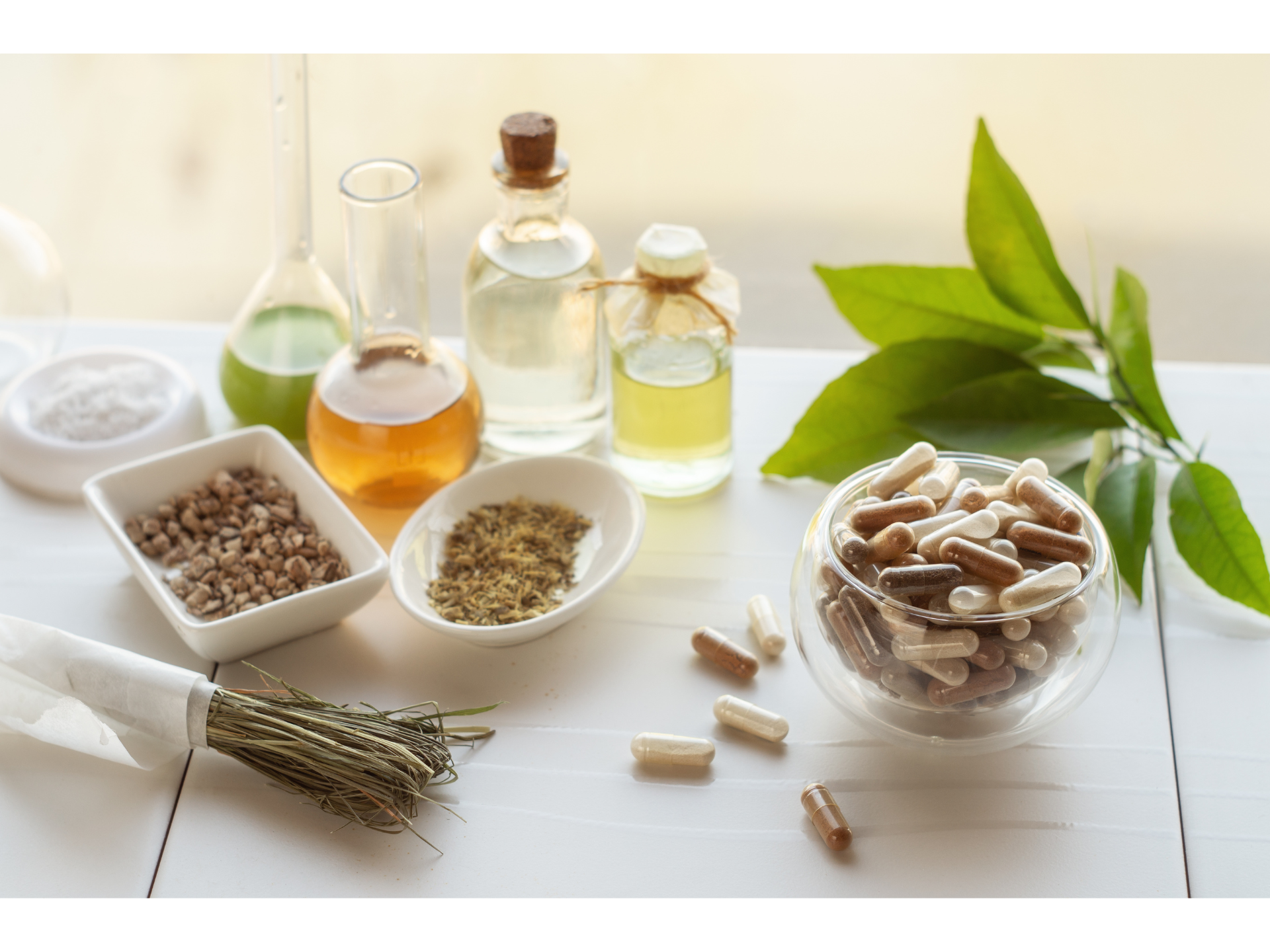
What is a dietary supplement according to Mexican regulation?
To understand which ingredients are viable, one must first understand the nature of the product. According to Article 215, Section V of the General Health Law (LGS), dietary supplements are products based on herbs, plant extracts, traditional foods, dehydrated fruits, or fruit concentrates, which may or may not have added vitamins or minerals.
Their exclusive purpose must be to increase total dietary intake, complement it, or replace one of its components. Therefore, if an ingredient is included for the purpose of generating a therapeutic, preventive, or rehabilitative action, the product falls out of this category and must be regulated as a medicine or herbal remedy.
Classification and viability of permitted ingredients
The RCSPyS (Article 168) establishes that supplements may consist of carbohydrates, proteins, amino acids, fatty acids, metabolites, plants, algae, and traditional foods. A formula evaluation must section ingredients into three main areas:
1. Vitamins and minerals (Mandatory maximum limits)
Mexican regulation is strict regarding daily allowable concentrations. Appendix XVII of the RCSPyS dictates the maximum limits that must not be exceeded per recommended daily serving, for example:
Vitamin C (Ascorbic Acid): Maximum 300 mg per day.
Iron: Maximum 20 mg per day.
Vitamin B6 (Pyridoxine): Maximum 10 mg per day.
2. Botanical components and metabolites
The use of plants and extracts is regulated by the Agreement on Prohibited or Permitted Plants and the Herbal Pharmacopoeia of the United Mexican States (FHEUM).
Permitted plants: Specific parts of plants (e.g., root, bulb, leaf, fruit) are authorized.
Specific restrictions: Species like Aloe vera are permitted, but regulation requires guaranteeing a maximum limit of 10 ppm of aloin and including the mandatory cautionary statement.
Metabolites: Viable compounds under the protection of Article 168 of the RCSPyS, provided they derive from safe sources, such as carbohydrates, amino acids, fatty acids, or substances that do not exceed functional limits, and are not advertised with curative properties.
3. Additives and processing aids
Every preservative, sweetener, colorant, or stabilizer must be listed in the current Additives Agreement.
Additives with numerical limits: Ingredients like Sucralose have a maximum limit of 2,400 mg/kg, and Potassium Sorbate a limit of 2,000 mg/kg.
Good Manufacturing Practices (GMP): Ingredients like Citric Acid, Xanthan Gum, or Glycerin do not have a specific numerical cap, allowing their use in the minimum amount necessary to achieve the technological effect.
Strictly prohibited ingredients ("Red Flags")
Article 169 of the RCSPyS is clear about substances that nullify the viability of a dietary supplement. The use of the following is strictly prohibited:
Animal or human hormones: Substances like melatonin (widely used in other countries for sleep) are prohibited in supplements in Mexico due to their hormonal nature.
Prohibited drugs and stimulants: Procaine, ephedrine, yohimbine, and germanium.
Toxic plants: Species listed in Annex IV of the Plant Agreement, such as Garcinia cambogia, Ginkgo biloba, Valeriana officinalis, or Echinacea, cannot be formulated in supplements.
Substances with recognized pharmacological action: Any ingredient that modifies the physiological state in a therapeutic manner.
The Line of Advertising and Labeling
The viability of an ingredient depends not only on its chemical nature but also on how it is communicated. Claims such as "cures," "prevents," "relieves," or the use of names suggesting diseases (e.g., "SanaDiabetes") automatically turn the product into a supply subject to seizure. All ingredients must be declared in descending quantitative order, and the label must display the mandatory legends required by Article 216 of the LGS.
Conclusions
The Mexican regulatory framework for dietary supplements ensures consumer safety through strict limits and inclusion/exclusion lists. An ingredient permitted in the United States or Europe is not necessarily legal in Mexico under the supplement category.
Recommendations:
Formula Audit: Perform a qualitative-quantitative analysis prior to manufacturing to verify that no ingredient appears on the lists of prohibited plants or pharmacological substances.
Limit Verification: Ensure that the daily dose of vitamins and minerals does not exceed the limits of Appendix XVII of the RCSPyS.
Additive Alignment: Confirm that preservatives and sweeteners respect the proportions of the Additives Agreement.
Claim Management: Decouple any ingredient (even legal botanicals) from curative or therapeutic claims on labeling and advertising.
Classification Query: If in doubt regarding innovative ingredients, submit a Classification Query (consulta de clasificación) to COFEPRIS to obtain technical certainty before investing in production.
FAQ
-
If an ingredient is not listed in the official documents, a preliminary query must be submitted to the Commission for Evidence and Risk Management (CEMAR) of COFEPRIS. This commission will evaluate the technical information to rule on whether its use is authorized.
-
If the ruling indicates that the product doesn´t classify as a dietary supplement (whether for exceeding vitamin limits, using prohibited plants, or having therapeutic purposes), the applicant has two paths: the redesign or the reclassification of the product.
-
The product could be rejected. Regulations usually specify which part is safe, for example, the root may be permitted, but the flower or seed may not. Using a different part than the one authorized changes the chemical composition and the safety profile of the product.
-
The product is no longer classified as a dietary supplement and becomes regulated as a vitamin medicine, requiring a Sanitary Registration.
Written by:

Tania Ramirez

Mariel Antonio
Tania Ramírez and Mariel Antonio, an expert team in the comprehensive management of dietary supplements before COFEPRIS. They combine a solid track record in the technical validation of ingredients and labeling with strategic specialization in sanitary advertising surveillance. Their joint approach ensures that companies comply with current regulations, from product formulation to communication across digital and traditional media, guaranteeing successful market entry and continuous regulatory compliance.
About IPS
At IPS, we understand that sanitary regulations are complex and dynamic. Avoid setbacks at customs, costly packaging redesigns, or sanctions by the authorities. Our team of regulatory experts provides comprehensive advice on formulation review, labeling audits, and the management of classification queries before COFEPRIS. Protect your investment and accelerate your product’s time-to-market. Contact us today to schedule a specialized consultation: info@insumosparasalud.com